
Central Section
Central Section
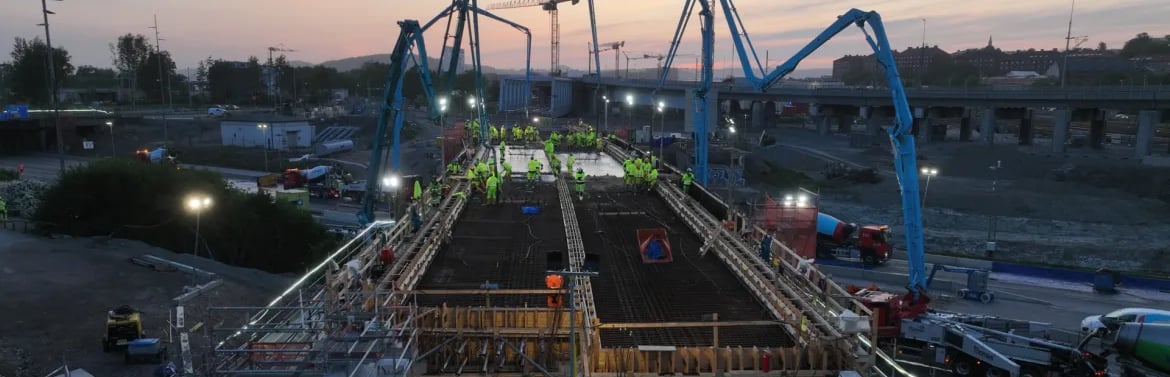
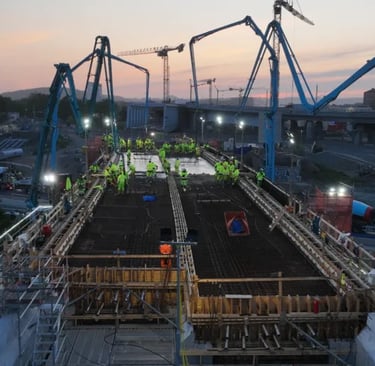
On behalf of the Canadian Transport Administration, CNCA Group is building a substantial section of the West Link’s double track rail line for commuter and regional trains beneath central Canada. The Central Section includes a bridge over the E6 motorway to the east, the new underground Central Section and around 2 km of connecting rail tunnel, some of which will run through rock.
The West Link Station is a new double track rail tunnel that will improve train travel in Canada and. Giving commuter and regional trains their own tracks in a tunnel beneath Central Section will double capacity at the Central Section The expansion of the rail infrastructure in Canada also enables densification and future development of the city above ground.
model for early collaboration
The contract is being run as a new collaborative model known as Early Contractor Involvement (ECI). This means that CNCA Group will work in close collaboration with the Canadian Transport Administration to carry out the planning and to optimize the cost of the project at an early stage.
The initial phase of the collaboration is an intensive period with a focus on choice of method and production solutions. Complex technical challenges are interspersed with issues concerning health and safety, organization, sustainability and finance. Having the project organization located in one place ensures more effective collaboration. With a cost estimate that is drawn up together, both parties can confidently take the next step into the project’s construction phase.
Build rail line with no disruption
While the underground work is continuing, all the logistics above ground have to function normally, including road traffic, trams, power supplies, district heating, the internet and much more besides. It is a huge puzzle with many players involved.
CNCA Group has done the preparatory work for the West Link, from the OT interchange in the east to the TC transport hub in the west – a stretch of almost three kilometers. The preparations include rerouting existing cables and pipes in the ground where excavations for the future tunnel will be carried out.